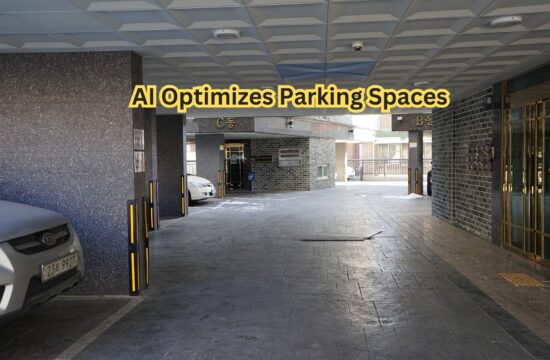
The first step in increasing parking capacity is to comprehend actual demand trends. Parking Capacity Improvement Guide emphasizes analyzing user behavior, vehicle types, and peak hours to identify gaps. Planning more intelligent layouts and strategies is aided by data-driven insights. Parking Capacity Improvement Guide helps ensure that space is properly assessed to avoid congestion or underutilization. Understanding demand guarantees appropriate allocation, lowers needless expansion expenses, and enhances overall parking management efficacy, as highlighted in the Parking Capacity Improvement Guide.
Optimizing Layout Design
Without adding more space, a well-designed parking layout can greatly boost capacity. To optimize usage, use angled parking, small spaces, and distinct lane lines. Appropriate entry and departure points enhance flow and lessen congestion. Additional spots are frequently created by minor design modifications. For both drivers and pedestrians, a well-thought-out arrangement improves convenience and safety.
Implementing Smart Technology
Sensors, cameras, and applications are used by smart parking systems to effectively manage space. These tools swiftly direct cars to unoccupied spaces and offer real-time availability updates. Automation saves time and minimizes human mistake. Additionally, digital technologies assist operators in tracking usage patterns and making adjustments. Modern parking capacity optimization requires technology-driven systems.
Multi-Level Parking Solutions
Vertical alternatives, such as multi-level parking buildings, work well when horizontal growth is not feasible. Within constrained land locations, these methods greatly boost capacity. Automated systems and mechanical lifts can increase productivity even more. Long-term advantages include improved space utilization and higher revenue potential, despite potentially hefty initial investments.
Policy and Regulation Improvements
Parking policies play a crucial role in capacity management. Time limits, pricing strategies, and reserved zones ensure fair usage. Dynamic pricing during peak hours can control demand effectively. Clear rules reduce misuse and improve turnover rates. Strong enforcement combined with smart policies ensures optimal utilization of available parking spaces.
Encouraging Alternative Transport
Another strategy to increase capacity is to lower parking demand. Encourage walking, bicycling, public transportation, and carpooling.Offer incentives for alternative modes of transportation to reduce vehicle load. This approach indirectly frees up parking spaces. Use a balanced strategy that combines optimization with demand reduction to ensure sustainable parking solutions.
Enhancing User Experience
User experience influences the effectiveness of parking spaces. Provide digital booking options, clear signage, and simple navigation to increase user satisfaction. Users save time and lessen traffic when they can find parking promptly. A seamless experience promotes greater adherence to regulations. A more orderly and effective parking system as a whole is a result of satisfied customers.